Jaw splint (occlusal splint for TMJ pain)
A typical case, in 8 steps over 2 visits. Typically up to two weeks for the lab to make a custom guard. Every step names its source.
Not yet reviewed by a licensed clinician. Every step names its source.
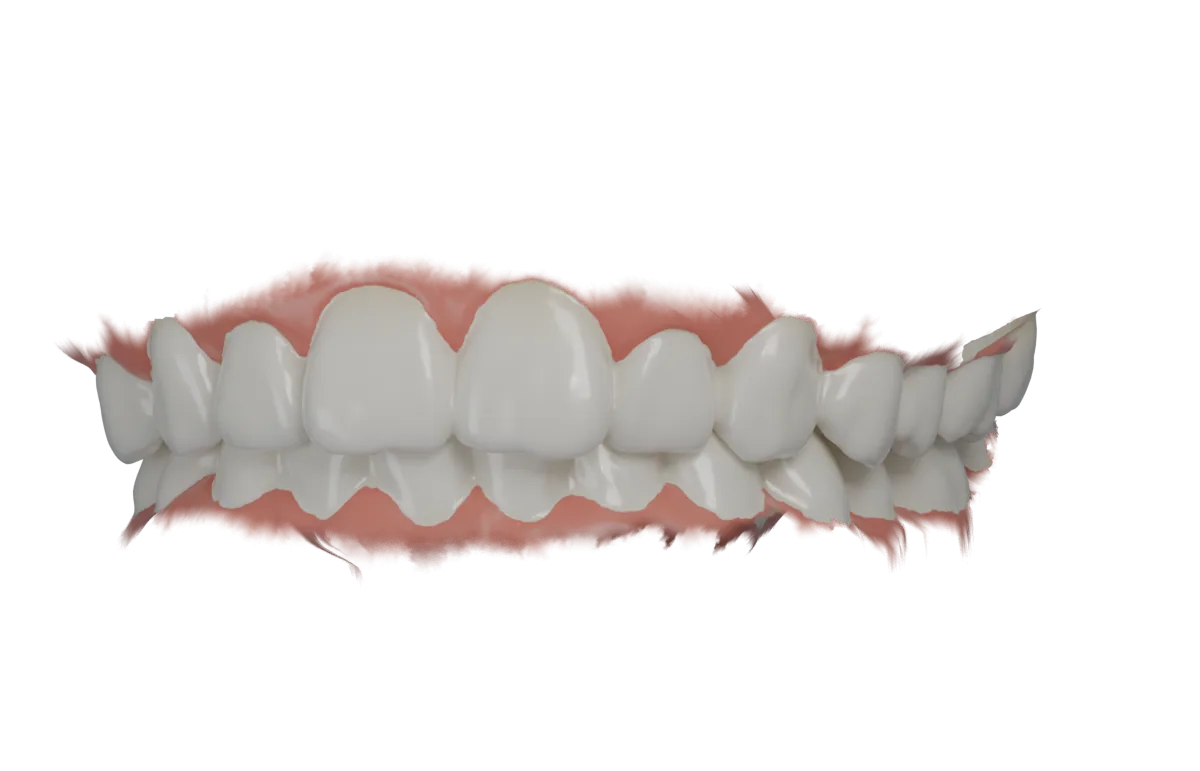
Jaw splint (occlusal splint for TMJ pain) · Visit 1
Exam
The dentist checks the jaw joints and muscles for tenderness, clicking, popping or trouble moving. Depending on what is found, the dentist may refer the patient to a physician or another dentist.
Source: mouthhealthy.org
Steps in a typical case
Exam
The dentist checks the jaw joints and muscles for tenderness, clicking, popping or trouble moving. Depending on what is found, the dentist may refer the patient to a physician or another dentist.
Visit 1 · Source 1
Simple care first
A "less is often best" approach comes first: eating softer foods, avoiding chewing gum and nail biting, using heat packs and practicing relaxation to ease jaw tension.
Visit 1 · Source 1
Choosing a splint
Occlusal guards are a first-line treatment for people who clench and grind. A stabilization splint is a hard resin guard adjusted to mimic a healthy bite. A custom-made guard from a dental provider is preferred over a store-bought one, because a guard that does not fit well can make the pain worse.
Visit 1 · Source 2
Impressions
The dentist takes impressions of the teeth with dental putty or a digital handheld wand, and sends them to a dental lab.
Visit 1 · Source 3
Waiting for the lab
A lab technician makes a guard that fits the teeth. In some cases this takes up to two weeks.
Visit 1 · Source 3
Fitting
The dentist checks the guard and makes any needed adjustments.
Visit 2 · Source 3
Wearing it
A guard for grinding is usually worn every night during sleep. If unsure how often to wear it, ask the dentist.
Visit 2 · Source 3
Cleaning and storing
Rinse the guard in cool water and clean it with a brush and soapy water after each use. Let it air dry and keep it in a sturdy, vented case.
Visit 2 · Source 3
Typical trade-offs
| Visits | Typically an exam, a visit for impressions and a fitting visit after the lab makes the guard. Source 3 |
|---|---|
| Time to final result | Typically up to two weeks for the lab to make a custom guard. Source 3 |
| How long it lasts | Typically a custom-made guard can last several years with proper care, though some people need a replacement sooner. Source 3 |
| Upkeep | Typical upkeep: rinsing in cool water and brushing with soapy water after each use, air drying, storing in a case and having the dentist check the fit. Source 3 |
Figures for a typical case from the sources below. A dentist can say how a given case differs.
Questions to ask your dentist
- The typical case takes 2 visits. How many would I need, and what happens at each one?
- What are my other options, including waiting, and what happens if I wait?
- How long does it usually last in a case like mine, and what upkeep will it need?
- Will it hurt, and what can I eat or do while it heals?
- What will it cost me, and will my insurance cover it? Ask which billing codes apply (the typical case uses D7880).
- How many of these have you done, and who would do mine?
Sources
- TMJ disorders. ADA MouthHealthy. www.mouthhealthy.org/all-topics-a-z/tmj. Accessed November 14, 2026.
- Can a mouthguard help TMJ pain?. Cleveland Clinic. health.clevelandclinic.org/should-you-use-a-dental-mouthguard-for-your-jaw-pain. Accessed November 14, 2026.
- Mouth guard. Cleveland Clinic. my.clevelandclinic.org/health/treatments/10910-mouthguards. Accessed November 14, 2026.
Osler Press procedure library, version 2026.11.0. Billing codes for the typical case: D7880.