Sleep apnea oral appliance
A typical case, in 6 steps over 4 visits. Typically 2 to 4 weeks to get used to sleeping with it. Every step names its source.
Not yet reviewed by a licensed clinician. Every step names its source.
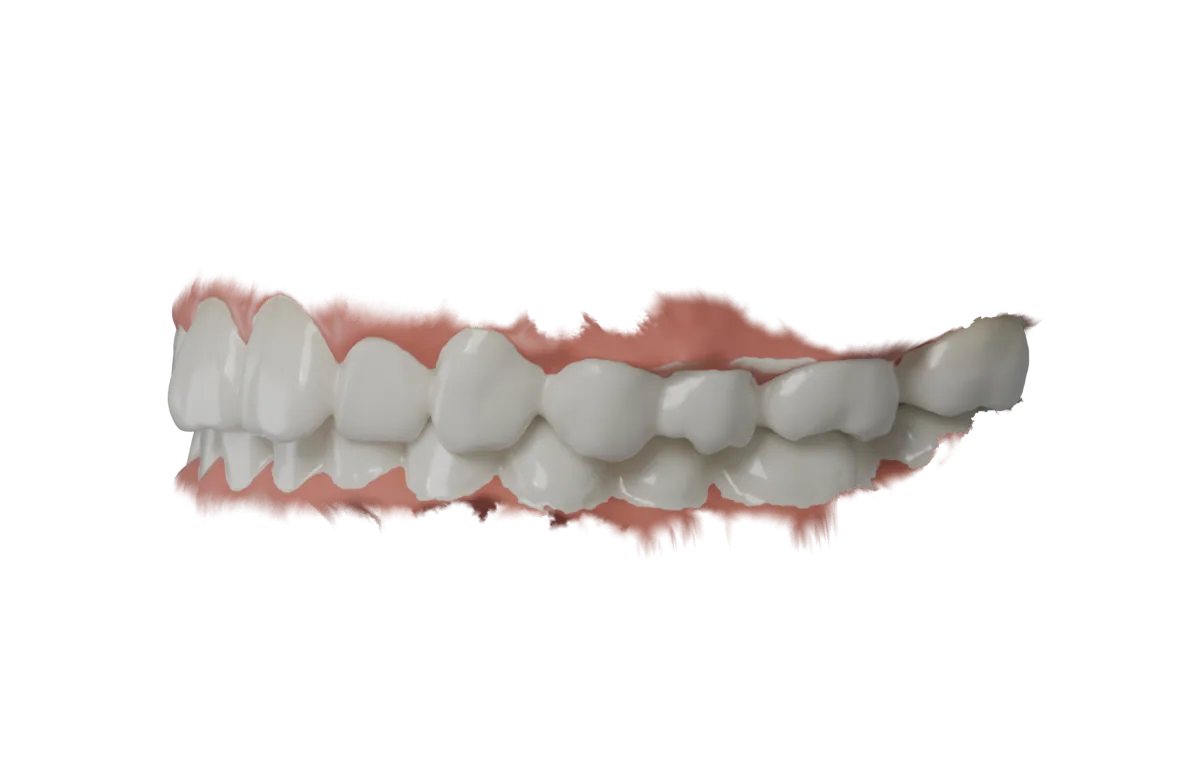
Sleep apnea oral appliance · Visit 1
Sleep study
A sleep doctor first confirms sleep apnea with a sleep study or a home sleep apnea test, then refers to a dentist.
Source: sleepeducation.org
Steps in a typical case
Sleep study
A sleep doctor first confirms sleep apnea with a sleep study or a home sleep apnea test, then refers to a dentist.
Visit 1 · Source 1
Impressions and bite
The dentist takes an impression or 3D scan of the teeth and records the bite.
Visit 2 · Source 2
Custom-made device
The device is made to the dentist's custom design so it fits the teeth.
Visit 2 · Source 2
Fitting
At a return visit, the dentist makes sure it fits comfortably and will not slip out during sleep, and shows how to clean it.
Visit 3 · Source 2
Getting used to it
It is worn for a few hours at first, then through the night; most people adjust in 2 to 4 weeks.
Visit 3 · Source 2
Follow-up
Follow-up visits, sometimes with another sleep test, check that the appliance is adjusted correctly.
Visit 4 · Source 1
Typical trade-offs
| Visits | Typically a sleep study, an impression visit, a fitting visit and follow-ups for adjustment. Source 2 |
|---|---|
| Time to final result | Typically 2 to 4 weeks to get used to sleeping with it. Source 2 |
| How long it lasts | Typically a custom-made appliance lasts several years with proper care. Source 3 |
| Upkeep | Typical upkeep: cleaning it after each use, keeping it in a vented case and follow-up visits with the dentist and sleep team. Source 1 |
Figures for a typical case from the sources below. A dentist can say how a given case differs.
Questions to ask your dentist
- The typical case takes 4 visits. How many would I need, and what happens at each one?
- What are my other options, including waiting, and what happens if I wait?
- How long does it usually last in a case like mine, and what upkeep will it need?
- Will it hurt, and what can I eat or do while it heals?
- What will it cost me, and will my insurance cover it? Ask which billing codes apply (the typical case uses D9947, D9948).
- How many of these have you done, and who would do mine?
Sources
- Oral appliance therapy. American Academy of Sleep Medicine. sleepeducation.org/patients/oral-appliance-therapy. Accessed November 14, 2026.
- Oral appliances for sleep apnea. Cleveland Clinic. my.clevelandclinic.org/health/treatments/21129-oral-appliance-therapy-for-sleep-apnea. Accessed November 14, 2026.
- Mouth guard. Cleveland Clinic. my.clevelandclinic.org/health/treatments/10910-mouthguards. Accessed November 14, 2026.
Osler Press procedure library, version 2026.11.0. Billing codes for the typical case: D9947, D9948.