Dental sedation (nitrous oxide, oral or IV)
A typical case, in 7 steps over 1 visit. Typically nitrous oxide wears off in 15 to 30 minutes, and oral or IV sedation within 24 hours. Most side effects go away within a day. Every step names its source.
Not yet reviewed by a licensed clinician. Every step names its source.
Dental sedation (nitrous oxide, oral or IV) · Visit 1
Choosing a type
The most common types are nitrous oxide, oral conscious sedation and IV sedation. The dentist recommends one based on your anxiety, how long the procedure will take, your health and your preferences.
Source: clevelandclinic.org
Steps in a typical case
Choosing a type
The most common types are nitrous oxide, oral conscious sedation and IV sedation. The dentist recommends one based on your anxiety, how long the procedure will take, your health and your preferences.
Visit 1 · Source 1
Before the visit
The dentist asks what medicines you take, since some can change how sedation works. You may need to skip food and drink for several hours. For oral or IV sedation, arrange a ride home.
Visit 1 · Source 1
Nitrous oxide
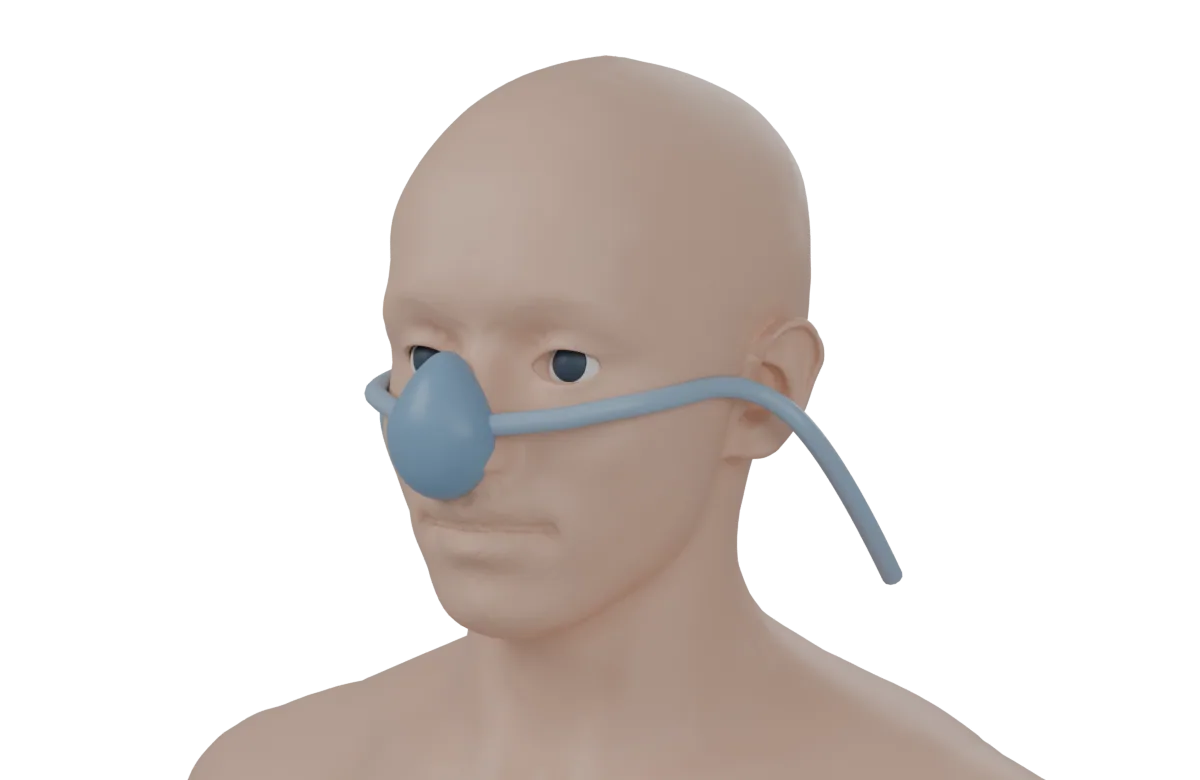
You breathe nitrous oxide and oxygen through a mask or nosepiece. You typically feel calm within 3 to 5 minutes, and the dentist adjusts the amount as needed.
Visit 1 · Source 1
Oral conscious sedation
You take a prescribed medicine about an hour before the procedure. It can make you very tired, and you may fall asleep. The dentist can wake you if needed.
Visit 1 · Source 1
IV sedation
A provider places an IV line in your arm and watches your heart rate and blood pressure during the procedure. You may fall asleep and not remember it afterward.
Visit 1 · Source 1
Numbing and treatment
Once you feel relaxed, the dentist gives shots to numb your teeth and gums and begins the dental work.
Visit 1 · Source 1
Recovery
With nitrous oxide, you get pure oxygen at the end and recover in about 15 to 30 minutes. With oral or IV sedation, you should not drive for 24 hours.
Visit 1 · Source 1
Typical trade-offs
| Visits | Typically given during the dental visit itself. Sedation may cut the number of appointments needed. Source 1 |
|---|---|
| Time to final result | Typically nitrous oxide wears off in 15 to 30 minutes, and oral or IV sedation within 24 hours. Most side effects go away within a day. Source 1 |
| How long it lasts | Typically the effect is temporary and lasts only for the visit and the recovery hours afterward. Source 1 |
| Upkeep | Typically no upkeep afterward. Have someone take you home after oral or IV sedation, and call the dentist if you still feel groggy after 24 hours. Source 1 |
Figures for a typical case from the sources below. A dentist can say how a given case differs.
Questions to ask your dentist
- The typical case takes one visit. Would mine, and how long would it take?
- What are my other options, including waiting, and what happens if I wait?
- How long does it usually last in a case like mine, and what upkeep will it need?
- Will it hurt, and what can I eat or do while it heals?
- What will it cost me, and will my insurance cover it? Ask which billing codes apply (the typical case uses D9230, D9239, D9243, D9248).
- How many of these have you done, and who would do mine?
Sources
- Sedation dentistry. Cleveland Clinic. my.clevelandclinic.org/health/treatments/22275-sedation-dentistry. Accessed November 14, 2026.
Osler Press procedure library, version 2026.11.0. Billing codes for the typical case: D9230, D9239, D9243, D9248.