Retainers (removable or fixed)
A typical case, in 7 steps over 2 visits. Typically a week or longer for the lab to make a removable retainer, and full-time wear for 4 to 6 months at first. Every step names its source.
Not yet reviewed by a licensed clinician. Every step names its source.
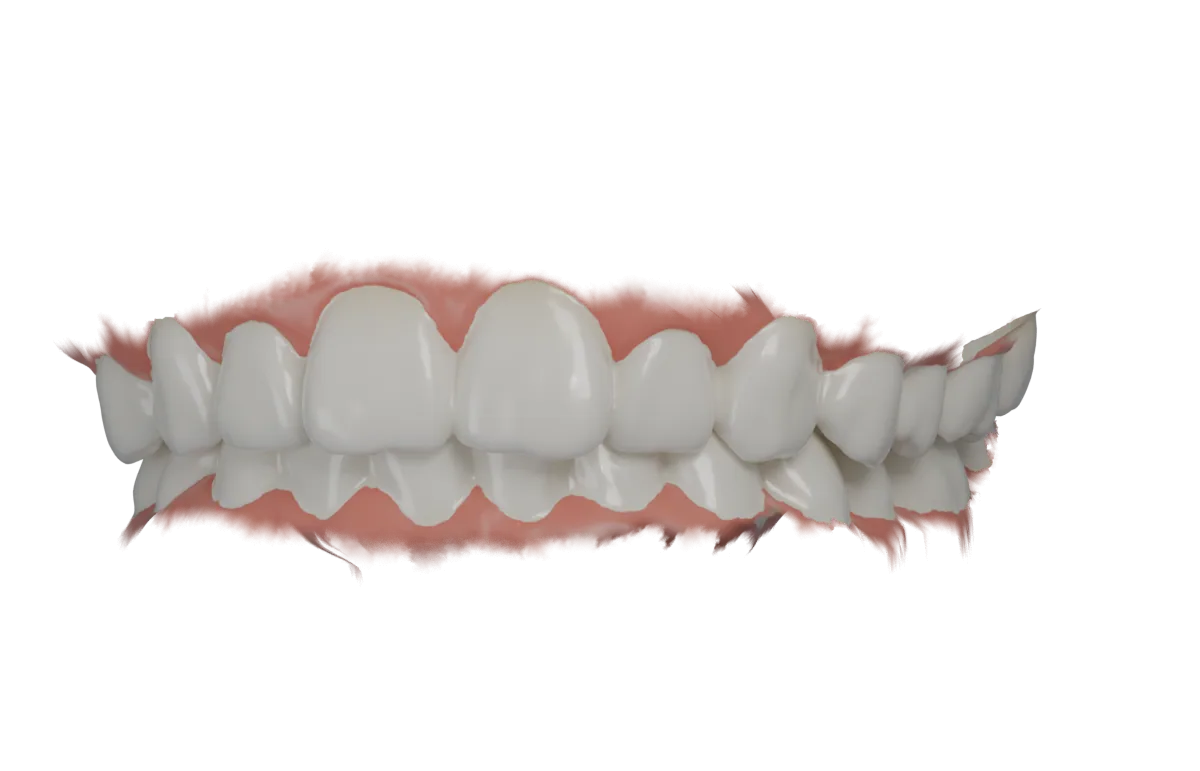
Retainers (removable or fixed) · Visit 1
Why you need one
Braces or aligners straighten teeth, and a retainer helps keep them in the new position. Without one, teeth can shift back.
Source: clevelandclinic.org
Steps in a typical case
Why you need one
Braces or aligners straighten teeth, and a retainer helps keep them in the new position. Without one, teeth can shift back.
Visit 1 · Source 1
Choosing a type
Removable retainers are made of wire and plastic, or are clear molded plastic. A fixed retainer is a thin wire bonded to the inside of the upper or lower teeth.
Visit 1 · Source 2
Impressions or scan
For a removable retainer, the dentist or orthodontist takes an impression of your teeth, or scans them with a handheld wand. A dental lab makes the retainer from it.
Visit 1 · Source 1
Waiting for the lab
You typically wait a week or longer for a removable retainer to be made. A fixed retainer is bonded in the same visit, so there is no wait for a lab.
Visit 1 · Source 1
Fitting
The retainer should fit snugly yet comfortably. Some soreness at first is common as it holds the teeth in place. Tell your provider if the discomfort continues so it can be adjusted.
Visit 2 · Source 1
Wearing it
You typically wear a removable retainer day and night for at least 4 to 6 months. After that, it is typically worn at night.
Visit 2 · Source 1
Cleaning and storing
Clean it every day with a soft toothbrush and water. Keep it in its case when it is not in your mouth, and take it out when you eat.
Visit 2 · Source 2
Typical trade-offs
| Visits | Typically one visit for the impression or scan, then a return visit a week or so later to get a removable retainer. A fixed retainer is placed in a single visit. Source 1 |
|---|---|
| Time to final result | Typically a week or longer for the lab to make a removable retainer, and full-time wear for 4 to 6 months at first. Source 1 |
| How long it lasts | Typically a retainer is needed for life, though how often you wear it may drop over time. Retainers can wear out or stop fitting well, and replacement retainers may cost extra. Source 2 |
| Upkeep | Typical upkeep: daily cleaning with a soft brush, keeping it in its case, and regular checkups. See the dentist or orthodontist if it is lost, broken or no longer fits. Source 2 |
Figures for a typical case from the sources below. A dentist can say how a given case differs.
Questions to ask your dentist
- The typical case takes 2 visits. How many would I need, and what happens at each one?
- What are my other options, including waiting, and what happens if I wait?
- How long does it usually last in a case like mine, and what upkeep will it need?
- Will it hurt, and what can I eat or do while it heals?
- What will it cost me, and will my insurance cover it? Ask which billing codes apply (the typical case uses D8680, D8703, D8704).
- How many of these have you done, and who would do mine?
Sources
- Teeth retainer. Cleveland Clinic. my.clevelandclinic.org/health/treatments/10899-teeth-retainer. Accessed November 14, 2026.
- Retainers. American Association of Orthodontists. aaoinfo.org/treatments/retainers. Accessed November 14, 2026.
Osler Press procedure library, version 2026.11.0. Billing codes for the typical case: D8680, D8703, D8704.