Osseous (pocket reduction) gum surgery
A typical case, in 7 steps over 1 visit. Typically recovery takes two to four weeks, and soreness, bleeding, swelling and bruising fade within a few days. Every step names its source.
Not yet reviewed by a licensed clinician. Every step names its source.
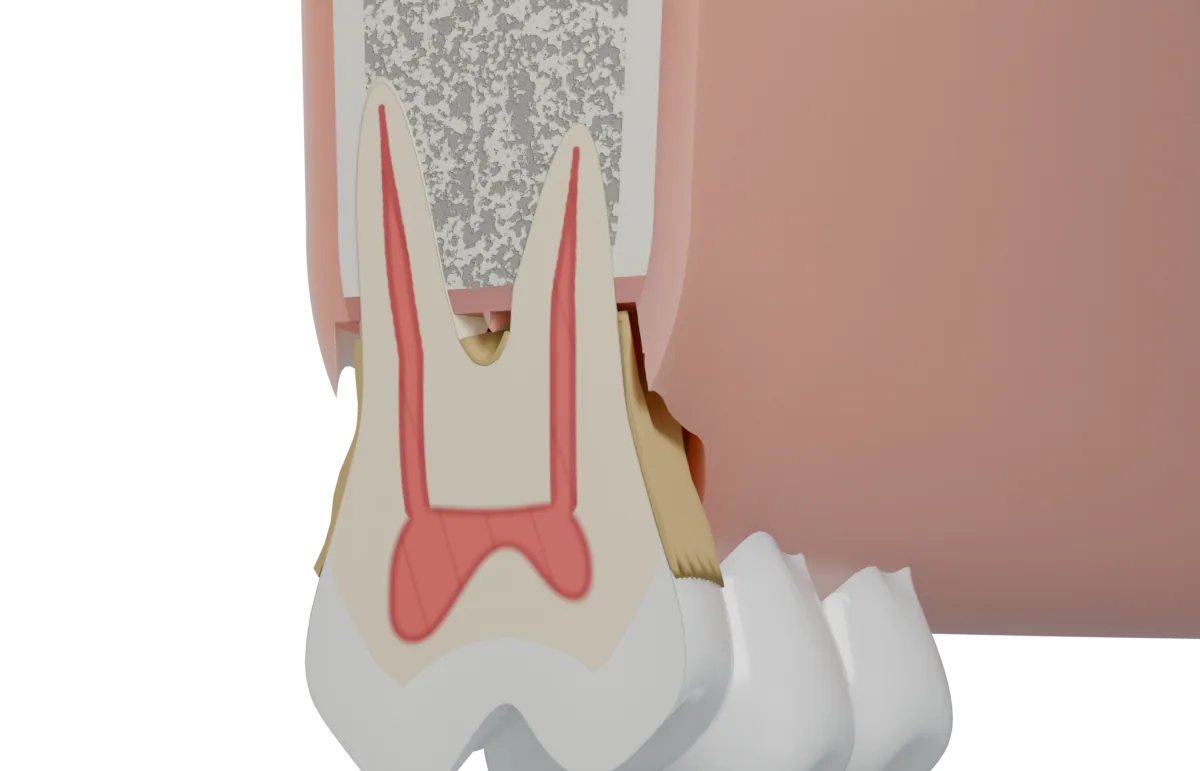
Osseous (pocket reduction) gum surgery · Visit 1
Planning and preparing
You talk with your periodontist (a gum specialist) about how to prepare. In general you take your prescription medicines unless told otherwise, you may be asked to stop blood thinners, and you avoid smoking and alcohol for 24 hours before and after. It also helps to eat a good meal first, because you will be tender afterward.
Source: clevelandclinic.org
Steps in a typical case
Planning and preparing
You talk with your periodontist (a gum specialist) about how to prepare. In general you take your prescription medicines unless told otherwise, you may be asked to stop blood thinners, and you avoid smoking and alcohol for 24 hours before and after. It also helps to eat a good meal first, because you will be tender afterward.
Visit 1 · Source 1
Numbing
The periodontist gives you anesthesia to numb your teeth and gums. If you want sedation, you get those medicines before the procedure begins.
Visit 1 · Source 1
Opening the gums
The periodontist makes a cut along your gum line and carefully folds back the gums so the tooth roots can be seen.
Visit 1 · Source 1
Cleaning the roots
Plaque and bacteria are cleaned off the root surfaces.
Visit 1 · Source 1
Reshaping the bone
The bone around your teeth is smoothed and reshaped to get rid of deep pockets or damaged areas. If you have lost bone, the periodontist may also place a membrane or a dental bone graft to help it regrow.
Visit 1 · Source 1
Closing up
The gums are moved back into place and the cuts are closed with stitches.
Visit 1 · Source 1
Healing at home
Soreness, bleeding, swelling and bruising are common and should fade in a few days. You take your medicines as directed, use an antibacterial mouthwash to keep the area clean, avoid drinking through straws for a week and eat soft foods such as mashed potatoes or scrambled eggs.
Visit 1 · Source 1
Typical trade-offs
| Visits | Typically a surgery visit lasts about 30 to 60 minutes, depending on how many teeth need treatment. Source 1 |
|---|---|
| Time to final result | Typically recovery takes two to four weeks, and soreness, bleeding, swelling and bruising fade within a few days. Source 1 |
| How long it lasts | Typically the results last when you keep up good oral hygiene and regular cleanings; the surgery jump-starts healthier gums but does not replace daily care. Source 1 |
| Upkeep | Typical upkeep: brushing and flossing daily, regular dental cleanings, and an antibacterial mouthwash and soft foods while the gums heal. Source 1 |
Figures for a typical case from the sources below. A dentist can say how a given case differs.
Questions to ask your dentist
- The typical case takes one visit. Would mine, and how long would it take?
- What are my other options, including waiting, and what happens if I wait?
- How long does it usually last in a case like mine, and what upkeep will it need?
- Will it hurt, and what can I eat or do while it heals?
- What will it cost me, and will my insurance cover it? Ask which billing codes apply (the typical case uses D4260, D4261).
- How many of these have you done, and who would do mine?
Sources
- Osseous surgery. Cleveland Clinic. my.clevelandclinic.org/health/treatments/24886-osseous-surgery. Accessed November 14, 2026.
Osler Press procedure library, version 2026.11.0. Billing codes for the typical case: D4260, D4261.