Onlay (porcelain, composite or gold)
A typical case, in 6 steps over 2 visits. Typically some sensitivity for a couple of days after it is fitted. Every step names its source.
Not yet reviewed by a licensed clinician. Every step names its source.
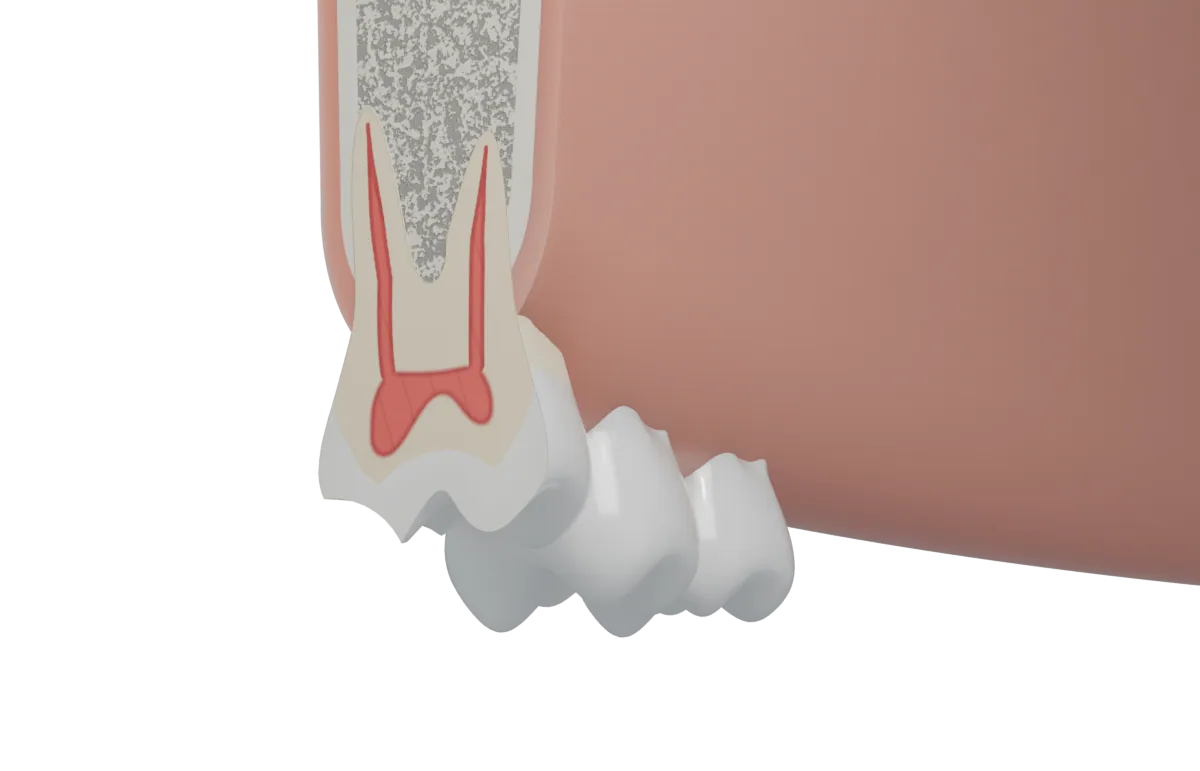
Onlay (porcelain, composite or gold) · Visit 1
Numbing
The tooth is numbed with a local anesthetic so the work is comfortable.
Source: bristol.ac.uk
Steps in a typical case
Numbing
The tooth is numbed with a local anesthetic so the work is comfortable.
Visit 1 · Source 1
Removing the damage
The damaged part of the tooth and any old filling are removed, and the tooth is shaped to take the onlay.
Visit 1 · Source 1
Impressions
Impressions of the shaped tooth are taken so a dental lab can make the onlay to fit. Some offices design and make it on site with CAD/CAM and place it the same day.
Visit 1 · Source 2
Temporary filling
A temporary filling is often placed to protect the tooth until the onlay is ready.
Visit 1 · Source 1
Trying it on
The tooth is numbed again, the temporary filling is removed and the onlay is tried on the tooth to check the fit.
Visit 2 · Source 1
Cementing it in
The onlay is cemented onto the tooth with a strong cement. The bite is checked and the onlay is polished so it feels comfortable.
Visit 2 · Source 1
Typical trade-offs
| Visits | Typically 2 visits, or 1 visit when the onlay is made in the office. Source 2 |
|---|---|
| Time to final result | Typically some sensitivity for a couple of days after it is fitted. Source 1 |
| How long it lasts | Typically lasts 15 to 20 years if looked after well. Source 1 |
| Upkeep | Typical upkeep: brushing twice a day with fluoride toothpaste, cleaning between the teeth daily and regular checkups. Source 1 |
Figures for a typical case from the sources below. A dentist can say how a given case differs.
Questions to ask your dentist
- The typical case takes 2 visits. How many would I need, and what happens at each one?
- What are my other options, including waiting, and what happens if I wait?
- How long does it usually last in a case like mine, and what upkeep will it need?
- Will it hurt, and what can I eat or do while it heals?
- What will it cost me, and will my insurance cover it? Ask which billing codes apply (the typical case uses D2642, D2643, D2644, D2662, D2663, D2664, D2542, D2543, D2544).
- How many of these have you done, and who would do mine?
Sources
- Inlays and onlays. University of Bristol Dental School. www.bristol.ac.uk/dental/treatment/patient-information/inlays-and-onlays. Accessed November 14, 2026.
- Dental fillings. Cleveland Clinic. my.clevelandclinic.org/health/treatments/17002-dental-fillings. Accessed November 14, 2026.
Osler Press procedure library, version 2026.11.0. Billing codes for the typical case: D2642, D2643, D2644, D2662, D2663, D2664, D2542, D2543, D2544.