Maryland bridge (resin-bonded bridge)
A typical case, in 7 steps over 2 visits. Typically about 2 to 4 weeks for the lab to make the bridge. Every step names its source.
Not yet reviewed by a licensed clinician. Every step names its source.
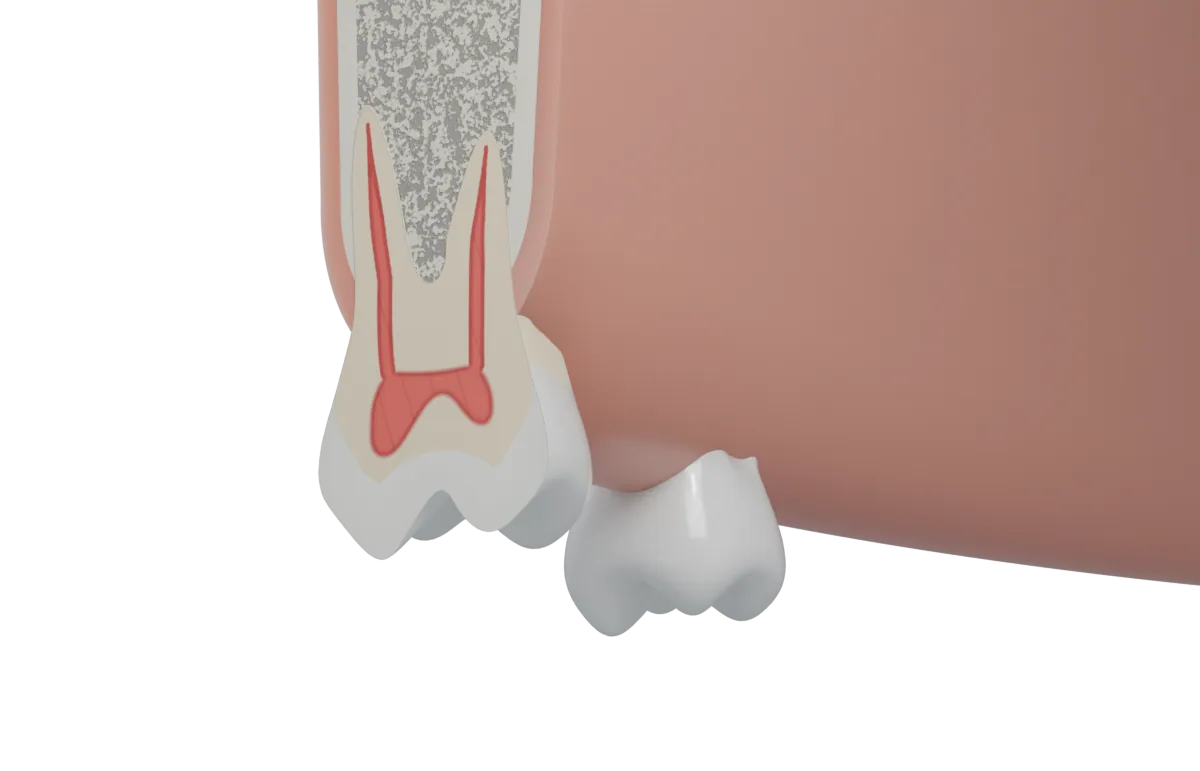
Maryland bridge (resin-bonded bridge) · Visit 1
Checking if it suits
A Maryland bridge replaces a missing tooth using metal wings instead of crowns. Dentists typically use it for front teeth, because it is not strong enough for the chewing forces on back teeth.
Source: clevelandclinic.org
Steps in a typical case
Checking if it suits
A Maryland bridge replaces a missing tooth using metal wings instead of crowns. Dentists typically use it for front teeth, because it is not strong enough for the chewing forces on back teeth.
Visit 1 · Source 1
Preparing the neighboring teeth
The dentist prepares the teeth next to the gap for the metal wings. This takes very little drilling, or none, so it keeps more of the natural tooth than a crown does.
Visit 1 · Source 2
Impressions
The dentist takes impressions, or molds, of your teeth and sends them to a dental lab, where a technician makes the bridge.
Visit 1 · Source 1
Waiting for the lab
The lab typically needs about 2 to 4 weeks to make the bridge.
Visit 1 · Source 1
Try-in
At the second visit, the dentist tries the bridge in place and checks the fit. If changes are needed, it may be fitted at a later visit. Between visits, a removable denture may be needed.
Visit 2 · Source 2
Bonding
The dentist etches the backs of the neighboring teeth, then bonds the wings to them with dental resin cement.
Visit 2 · Source 1
Caring for it
Brush the bridge as normal. When you floss, sweep the floss under the false tooth along the gum line. If the bridge comes loose, it can usually be cleaned and stuck back on.
Visit 2 · Source 2
Typical trade-offs
| Visits | Typically 2 visits: one to prepare and take impressions, one to bond the bridge. Source 1 |
|---|---|
| Time to final result | Typically about 2 to 4 weeks for the lab to make the bridge. Source 1 |
| How long it lasts | Typically about 8 in 10 adhesive bridges last 5 years or longer. Source 2 |
| Upkeep | Typical upkeep: brushing as normal, flossing under the false tooth along the gum line, and regular checkups. The cement can fail, and the bridge can usually be stuck back on. Source 2 |
Figures for a typical case from the sources below. A dentist can say how a given case differs.
Questions to ask your dentist
- The typical case takes 2 visits. How many would I need, and what happens at each one?
- What are my other options, including waiting, and what happens if I wait?
- How long does it usually last in a case like mine, and what upkeep will it need?
- Will it hurt, and what can I eat or do while it heals?
- What will it cost me, and will my insurance cover it? Ask which billing codes apply (the typical case uses D6545, D6549, D6245).
- How many of these have you done, and who would do mine?
Sources
- Dental bridges. Cleveland Clinic. my.clevelandclinic.org/health/treatments/10921-dental-bridges. Accessed November 14, 2026.
- Bridges: information for patients. Leeds Teaching Hospitals NHS Trust. flipbooks.leedsth.nhs.uk/LN002350.pdf. Accessed November 14, 2026.
Osler Press procedure library, version 2026.11.0. Billing codes for the typical case: D6545, D6549, D6245.