Frenectomy (tongue-tie or lip-tie release)
A typical case, in 6 steps over 2 visits. Typically babies recover very quickly, and older children may have soreness for a week or two. Every step names its source.
Not yet reviewed by a licensed clinician. Every step names its source.
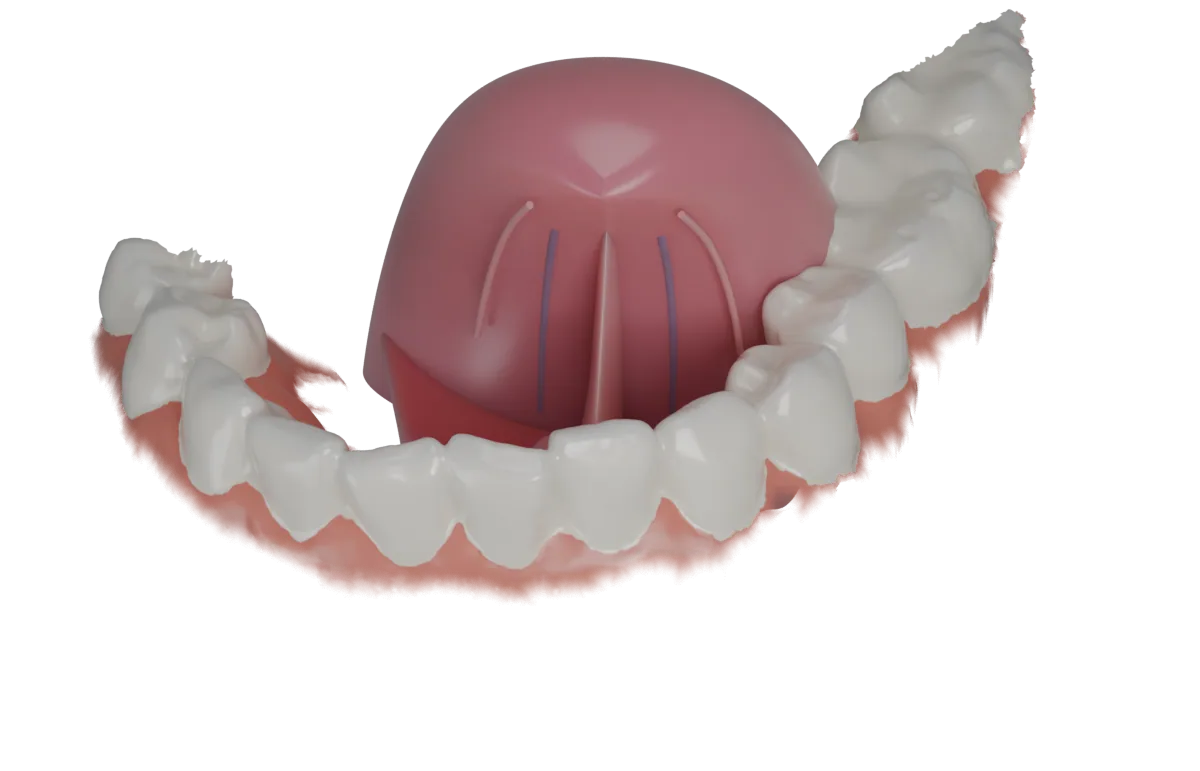
Frenectomy (tongue-tie or lip-tie release) · Visit 1
Checking if it is needed
Children who have no problems from a tongue tie do not need treatment, because the frenulum stretches as a child grows. The doctor checks whether it limits how the tongue moves, and for older children listens to how they speak.
Source: kidshealth.org
Steps in a typical case
Checking if it is needed
Children who have no problems from a tongue tie do not need treatment, because the frenulum stretches as a child grows. The doctor checks whether it limits how the tongue moves, and for older children listens to how they speak.
Visit 1 · Source 1
Looking at feeding first
For a baby with feeding trouble, the pediatrician examines for other causes and works with a lactation consultant on latch and position. A frenotomy is discussed only if the baby still cannot feed well.
Visit 1 · Source 2
Comfort and anesthesia
A young baby can be swaddled and held still in the office. Older infants and children may need anesthesia if they cannot stay still.
Visit 1 · Source 1
The release
The doctor makes a small cut in the frenulum with a scalpel, a laser or scissors to lengthen it. With scissors it takes about one minute on average.
Visit 1 · Source 1
Surgery for older children
For older children, or when the frenulum is too thick for a simple release, surgery divides and lengthens the frenulum. Children get anesthesia to sleep through it.
Visit 1 · Source 1
Afterward
Babies recover quickly and can often feed soon after. Older children may have soreness for a week or two. The provider sets a follow-up visit.
Visit 2 · Source 1
Typical trade-offs
| Visits | Typically 1 visit for the procedure, plus a follow-up visit the provider sets. Source 2 |
|---|---|
| Time to final result | Typically babies recover very quickly, and older children may have soreness for a week or two. Source 1 |
| How long it lasts | Typically a one-time procedure, though tongue tie can come back after treatment and may leave a scar. Source 1 |
| Upkeep | Typical upkeep: the follow-up visit, and the doctor may suggest ways to help keep the tongue tie from coming back. Source 1 |
Figures for a typical case from the sources below. A dentist can say how a given case differs.
Questions to ask your dentist
- The typical case takes 2 visits. How many would I need, and what happens at each one?
- What are my other options, including waiting, and what happens if I wait?
- How long does it usually last in a case like mine, and what upkeep will it need?
- Will it hurt, and what can I eat or do while it heals?
- What will it cost me, and will my insurance cover it? Ask which billing codes apply (the typical case uses D7960, D7961, D7962, D7963).
- How many of these have you done, and who would do mine?
Sources
- Tongue tie. Nemours KidsHealth. kidshealth.org/en/parents/tongue-tie.html. Accessed November 14, 2026.
- Frenotomy (frenectomy). Cleveland Clinic. my.clevelandclinic.org/health/treatments/22714-frenectomy. Accessed November 14, 2026.
Osler Press procedure library, version 2026.11.0. Billing codes for the typical case: D7960, D7961, D7962, D7963.