Fluoride treatment (varnish, foam or gel)
A typical case, in 6 steps over 1 visit. Typically the varnish sets quickly after it is painted on. Every step names its source.
Not yet reviewed by a licensed clinician. Every step names its source.
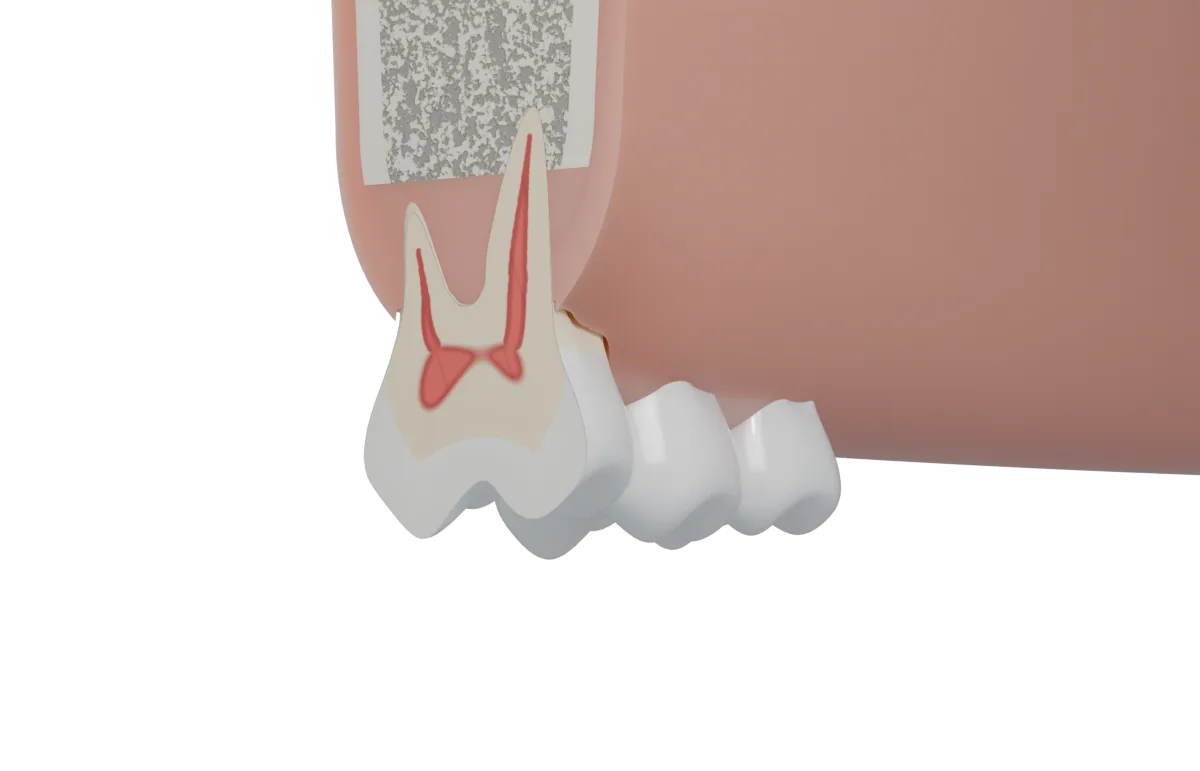
Fluoride treatment (varnish, foam or gel) · Visit 1
At a routine visit
A dentist or hygienist can give a fluoride treatment during a routine dental exam or cleaning.
Source: clevelandclinic.org
Steps in a typical case
At a routine visit
A dentist or hygienist can give a fluoride treatment during a routine dental exam or cleaning.
Visit 1 · Source 1
Choosing the form
The fluoride may be a varnish, a foam or a gel.
Visit 1 · Source 1
Varnish
Fluoride varnish is a pale yellow gel painted onto the teeth with a soft brush. It sets quickly and has a pleasant taste and a fruity smell.
Visit 1 · Source 2
Foam or gel
Foam or gel is placed in a custom tray that goes over the teeth. Gel can also be painted on the teeth.
Visit 1 · Source 1
How long it takes
A fluoride treatment typically takes less than five minutes.
Visit 1 · Source 1
Fluoride at home
Fluoride varnish works best along with brushing twice a day with fluoride toothpaste: a smear for children under three and a pea-sized amount for children under six.
Visit 1 · Source 2
Typical trade-offs
| Visits | Typically given during a routine exam or cleaning visit, and it takes less than five minutes. Source 1 |
|---|---|
| Time to final result | Typically the varnish sets quickly after it is painted on. Source 2 |
| How long it lasts | Typically repeated about every six months, and more often for children who are prone to cavities. Source 1 |
| Upkeep | Typical upkeep: brushing twice a day with fluoride toothpaste, a smear for children under three and a pea-sized amount for children under six. Source 2 |
Figures for a typical case from the sources below. A dentist can say how a given case differs.
Questions to ask your dentist
- The typical case takes one visit. Would mine, and how long would it take?
- What are my other options, including waiting, and what happens if I wait?
- How long does it usually last in a case like mine, and what upkeep will it need?
- Will it hurt, and what can I eat or do while it heals?
- What will it cost me, and will my insurance cover it? Ask which billing codes apply (the typical case uses D1206, D1208).
- How many of these have you done, and who would do mine?
Sources
- Fluoride. Cleveland Clinic. my.clevelandclinic.org/health/treatments/11195-fluoride. Accessed November 14, 2026.
- Fluoride varnish: what is it and how does it work?. Kent Community Health NHS Foundation Trust. www.kentcht.nhs.uk/leaflet/fluoride-varnish-what-is-it-and-how-does-it-work. Accessed November 14, 2026.
Osler Press procedure library, version 2026.11.0. Billing codes for the typical case: D1206, D1208.