Dental exam (checkup)
A typical case, in 6 steps over 1 visit. Typically the provider can share what they found right away, and if you need a biopsy the results typically take three to five days. Every step names its source.
Not yet reviewed by a licensed clinician. Every step names its source.
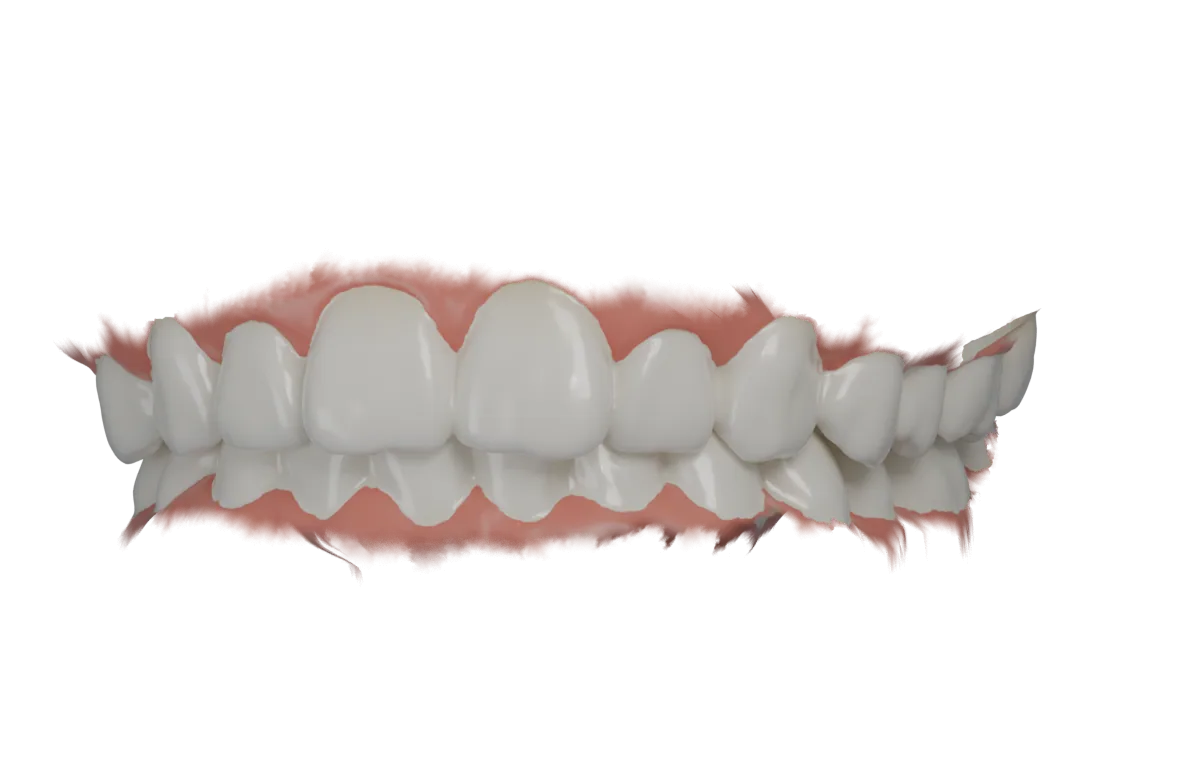
Dental exam (checkup) · Visit 1
Health history
The dentist or hygienist asks about your recent medical history. It helps to tell them about any changes in your overall health, since many medical conditions can affect your dental health.
Source: mouthhealthy.org
Steps in a typical case
Health history
The dentist or hygienist asks about your recent medical history. It helps to tell them about any changes in your overall health, since many medical conditions can affect your dental health.
Visit 1 · Source 1
Looking at your mouth
The dentist examines your mouth and decides whether or not you need X-rays.
Visit 1 · Source 1
Checking your gums
Depending on your treatment plan, the hygienist may use special dental instruments to check your gums for gum disease.
Visit 1 · Source 1
Oral cancer screening
Your provider looks for sores or abnormal areas in your mouth and throat, then uses their fingers to feel for lumps or bumps around your face, neck and jaw. They look at the lining of your cheeks, gums, lips, tongue, tonsils, and the floor and roof of your mouth. Screenings usually take less than five minutes.
Visit 1 · Source 2
Talking about what they found
Your provider can share what they found right away. A screening looks for signs of cancer but cannot confirm cancer on its own, so if anything looks suspicious you are referred to a specialist for more testing.
Visit 1 · Source 2
Planning your next visit
The ADA recommends visiting your dentist regularly for exams and cleanings. Twice a year works for many people, but you might need more frequent visits if you are prone to cavities or gum disease.
Visit 1 · Source 3
Typical trade-offs
| Visits | Typically the exam happens in 1 visit, and the oral cancer screening part usually takes less than five minutes. Source 2 |
|---|---|
| Time to final result | Typically the provider can share what they found right away, and if you need a biopsy the results typically take three to five days. Source 2 |
| How long it lasts | Typically a dentist recommends exams at least twice a year, and some people need to go more often. Source 3 |
| Upkeep | Typical upkeep: keep the dentist informed of any changes in overall health and keep regular checkups, even without symptoms. Source 1 |
Figures for a typical case from the sources below. A dentist can say how a given case differs.
Questions to ask your dentist
- The typical case takes one visit. Would mine, and how long would it take?
- What are my other options, including waiting, and what happens if I wait?
- How long does it usually last in a case like mine, and what upkeep will it need?
- Will it hurt, and what can I eat or do while it heals?
- What will it cost me, and will my insurance cover it? Ask which billing codes apply (the typical case uses D0120, D0150).
- How many of these have you done, and who would do mine?
Sources
- Common questions about going to the dentist. ADA MouthHealthy. www.mouthhealthy.org/dental-care/questions-about-going-to-the-dentist. Accessed November 14, 2026.
- Oral cancer screening. Cleveland Clinic. my.clevelandclinic.org/health/diagnostics/21056-oral-cancer-screening. Accessed November 14, 2026.
- Dentists: what they do and how often to schedule visits. Cleveland Clinic. my.clevelandclinic.org/health/articles/24448-dentist. Accessed November 14, 2026.
Osler Press procedure library, version 2026.11.0. Billing codes for the typical case: D0120, D0150.