Cone beam CT scan (3D dental scan)
A typical case, in 6 steps over 1 visit. Typically no aftercare is needed, and you can eat, drink and continue usual activities afterward. Every step names its source.
Not yet reviewed by a licensed clinician. Every step names its source.
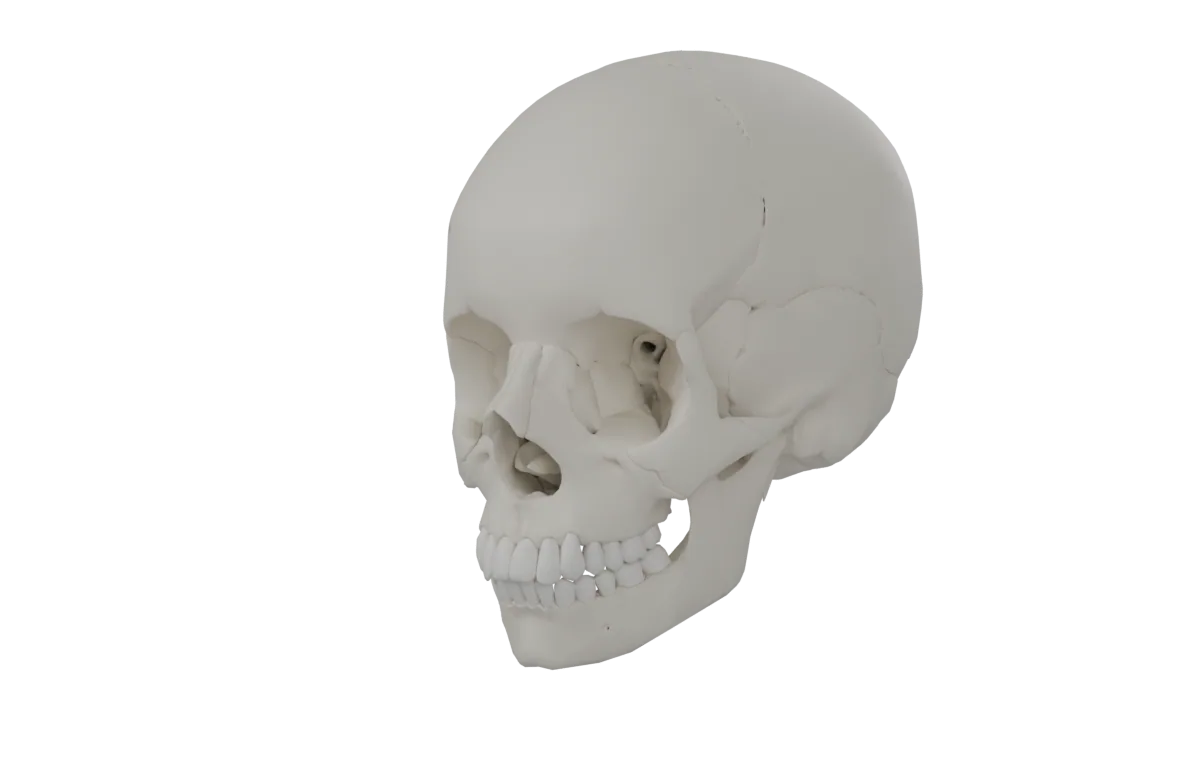
Cone beam CT scan (3D dental scan) · Visit 1
Why you might need one
A cone beam CT (CBCT) scan gives information that usual X-rays cannot. For example, it shows the exact shape and structure of your jawbone, which helps decide if you are suitable for dental implants.
Source: guysandstthomas.nhs.uk
Steps in a typical case
Why you might need one
A cone beam CT (CBCT) scan gives information that usual X-rays cannot. For example, it shows the exact shape and structure of your jawbone, which helps decide if you are suitable for dental implants.
Visit 1 · Source 1
Getting ready
Tell the radiographer if you might be pregnant. Wear loose clothing around your neck, and take off jewelry on your head and neck, glasses, dentures and hearing aids. You do not need any injections or special preparation.
Visit 1 · Source 1
Positioning
You sit or stand in the scanner. Your head is carefully positioned and you are asked to keep still. Try not to swallow, talk or move your jaw during the scan.
Visit 1 · Source 1
The scan
The scanner moves around your head in a circle. Each scan takes less than a minute, and the whole appointment takes about 15 minutes. You might need more than 1 scan, depending on the reason for the test. The scan is not painful.
Visit 1 · Source 1
Afterward
You can leave right away, or you may be asked to see the dentist again. No special aftercare is needed, and you can eat, drink and go back to your usual activities.
Visit 1 · Source 1
Getting the results
Specialists write a report about your scan and send it to the professional who referred you. You do not usually have a follow-up appointment with the scanning department, but you might have one with your referring dentist.
Visit 1 · Source 1
Typical trade-offs
| Visits | Typically 1 visit; the scan takes about 15 minutes. Source 1 |
|---|---|
| Time to final result | Typically no aftercare is needed, and you can eat, drink and continue usual activities afterward. Source 1 |
| How long it lasts | Typically this is a one-time test, not a treatment that wears out, though you might need more than 1 scan depending on the reason for the test. Source 1 |
| Upkeep | Typical upkeep: none is needed after the scan, though you might see the referring dentist again to talk about the report. Source 1 |
Figures for a typical case from the sources below. A dentist can say how a given case differs.
Questions to ask your dentist
- The typical case takes one visit. Would mine, and how long would it take?
- What are my other options, including waiting, and what happens if I wait?
- How long does it usually last in a case like mine, and what upkeep will it need?
- Will it hurt, and what can I eat or do while it heals?
- What will it cost me, and will my insurance cover it? Ask which billing codes apply (the typical case uses D0367).
- How many of these have you done, and who would do mine?
Sources
- Dental cone beam CT scan (CBCT). Guy's and St Thomas' NHS Foundation Trust. guysandstthomas.nhs.uk/health-information/dental-cone-beam-ct-scan-cbct. Accessed November 14, 2026.
Osler Press procedure library, version 2026.11.0. Billing codes for the typical case: D0367.