Bonding (for a chipped or worn front tooth)
A typical case, in 7 steps over 1 visit. Typically no downtime, though you may have short-term sensitivity after the visit. Every step names its source.
Not yet reviewed by a licensed clinician. Every step names its source.
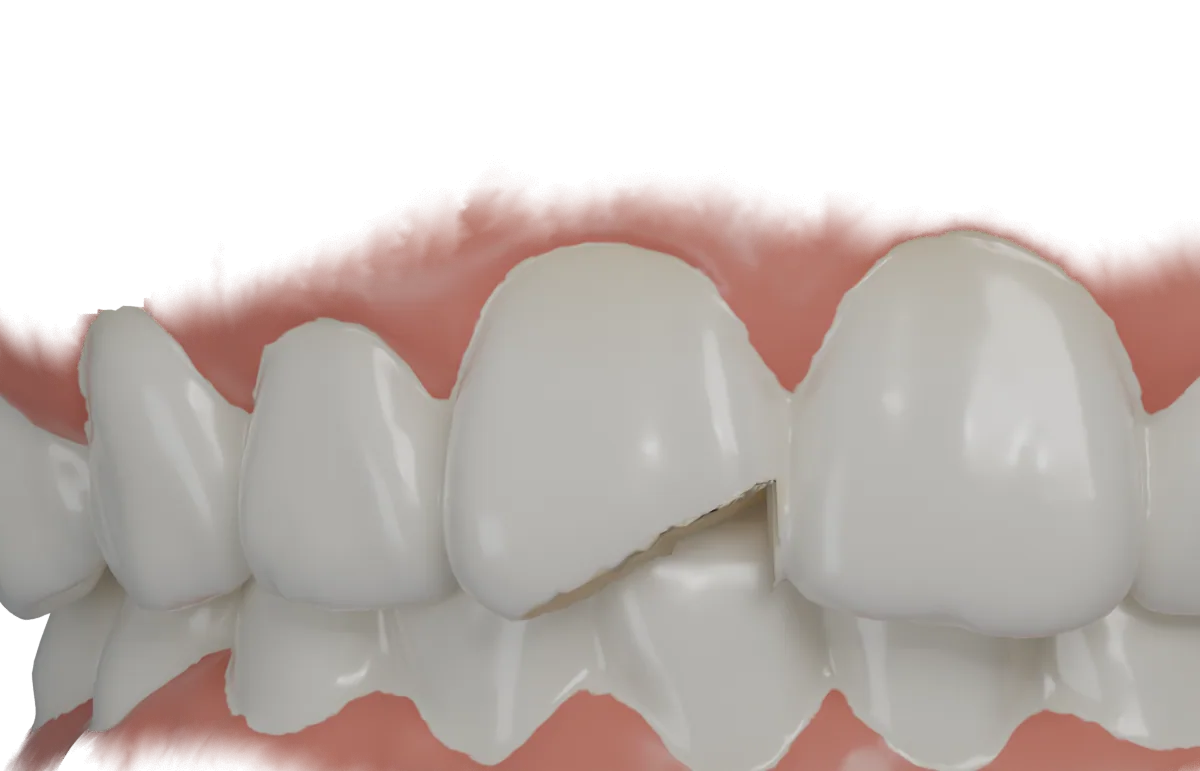
Bonding (for a chipped or worn front tooth) · Visit 1
Checking the tooth
Your dentist looks at the chipped or worn tooth to see if bonding is a good fit. Bonding suits small cosmetic changes. If you have problems such as tooth decay, you may need other treatment first.
Source: clevelandclinic.org
Steps in a typical case
Checking the tooth
Your dentist looks at the chipped or worn tooth to see if bonding is a good fit. Bonding suits small cosmetic changes. If you have problems such as tooth decay, you may need other treatment first.
Visit 1 · Source 1
Choosing a shade
The dentist uses a shade guide to pick a resin that matches the color of your natural teeth.
Visit 1 · Source 1
Preparing the tooth
The surface of the tooth is roughened and a liquid is applied so the bonding material will stick. Bonding typically does not need any of your enamel removed.
Visit 1 · Source 1
Applying the resin
The putty-like tooth-colored resin is placed on the tooth, molded and smoothed into the right shape.
Visit 1 · Source 1
Hardening it
A curing light hardens the resin and bonds it to the surface of your tooth.
Visit 1 · Source 1
Polishing
The dentist makes final adjustments and polishes the tooth to a natural-looking shine.
Visit 1 · Source 1
Afterward
You may have short-term sensitivity, and over-the-counter pain relievers can help. There is typically no downtime, so you can go back to your normal activities. Avoid biting your nails, chewing pens or opening packages with your teeth, because the material can chip.
Visit 1 · Source 1
Typical trade-offs
| Visits | Typically 1 office visit, about 30 to 60 minutes per tooth. Source 1 |
|---|---|
| Time to final result | Typically no downtime, though you may have short-term sensitivity after the visit. Source 1 |
| How long it lasts | Typically lasts about 3 to 10 years before it needs a touch-up or replacement. Source 1 |
| Upkeep | Typical upkeep: brushing twice a day with a soft toothbrush and fluoride toothpaste, cleaning between the teeth daily, regular checkups and avoiding habits like nail biting or chewing pens. Source 1 |
Figures for a typical case from the sources below. A dentist can say how a given case differs.
Questions to ask your dentist
- The typical case takes one visit. Would mine, and how long would it take?
- What are my other options, including waiting, and what happens if I wait?
- How long does it usually last in a case like mine, and what upkeep will it need?
- Will it hurt, and what can I eat or do while it heals?
- What will it cost me, and will my insurance cover it? Ask which billing codes apply (the typical case uses D2960, D2330, D2331).
- How many of these have you done, and who would do mine?
Sources
- Dental bonding. Cleveland Clinic. my.clevelandclinic.org/health/treatments/10922-dental-bonding. Accessed November 14, 2026.
Osler Press procedure library, version 2026.11.0. Billing codes for the typical case: D2960, D2330, D2331.